Lighting is the part of a renovation most often decided last and most difficult to fix afterwards. Cable routes, ceiling cut-outs and switch positions are set early. Once the ceiling is closed and the walls are painted, adding a light costs several times what it would have cost during first fix.
Think in three layers
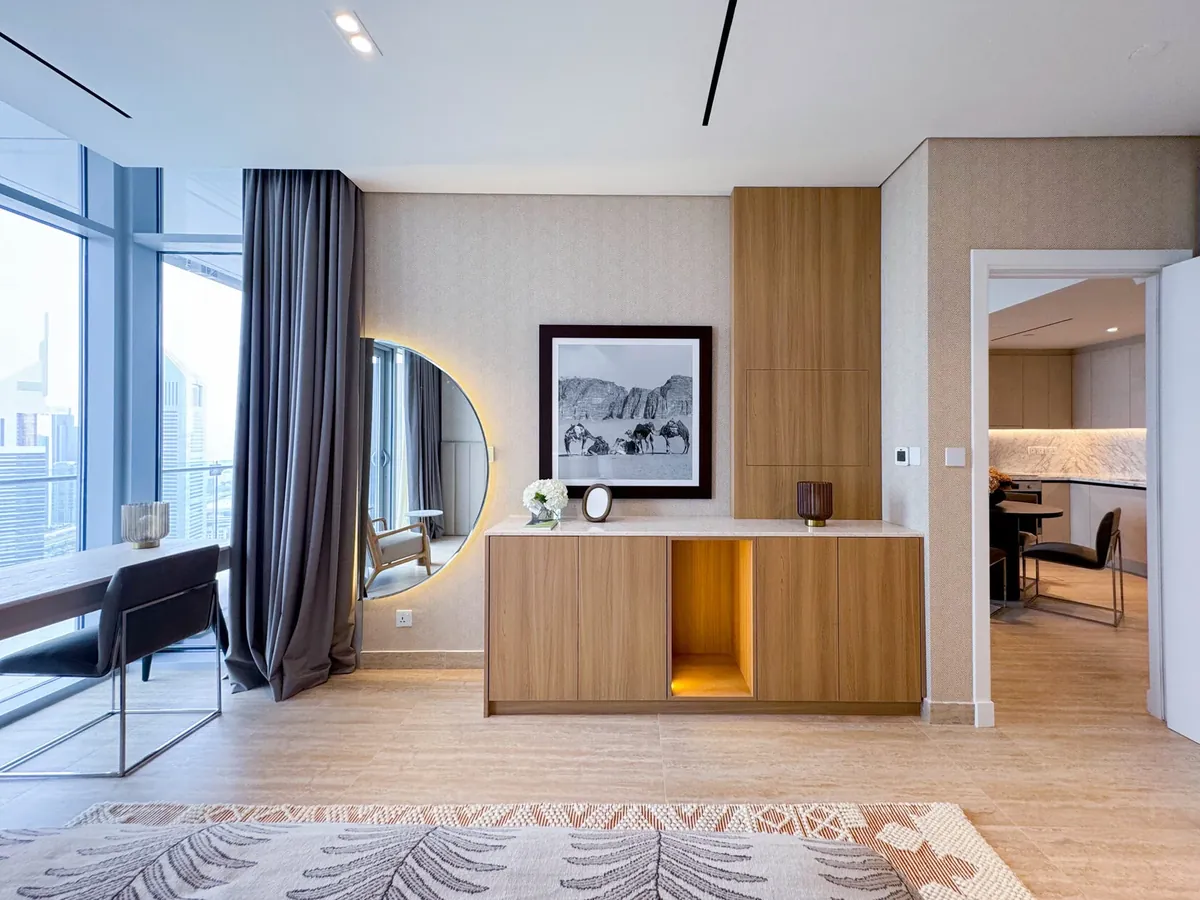
Ambient light is the general illumination of the room. Recessed downlights, ceiling-mounted fittings and cove lighting do this job. The common mistake is to rely on a grid of downlights alone, which produces flat, even light and glare on glossy floors.
Task light serves a specific activity: under-cabinet strips in the kitchen, a reading light by the bed, a lit mirror at the vanity. It should be bright enough for the job and positioned so you do not cast a shadow over your own work.
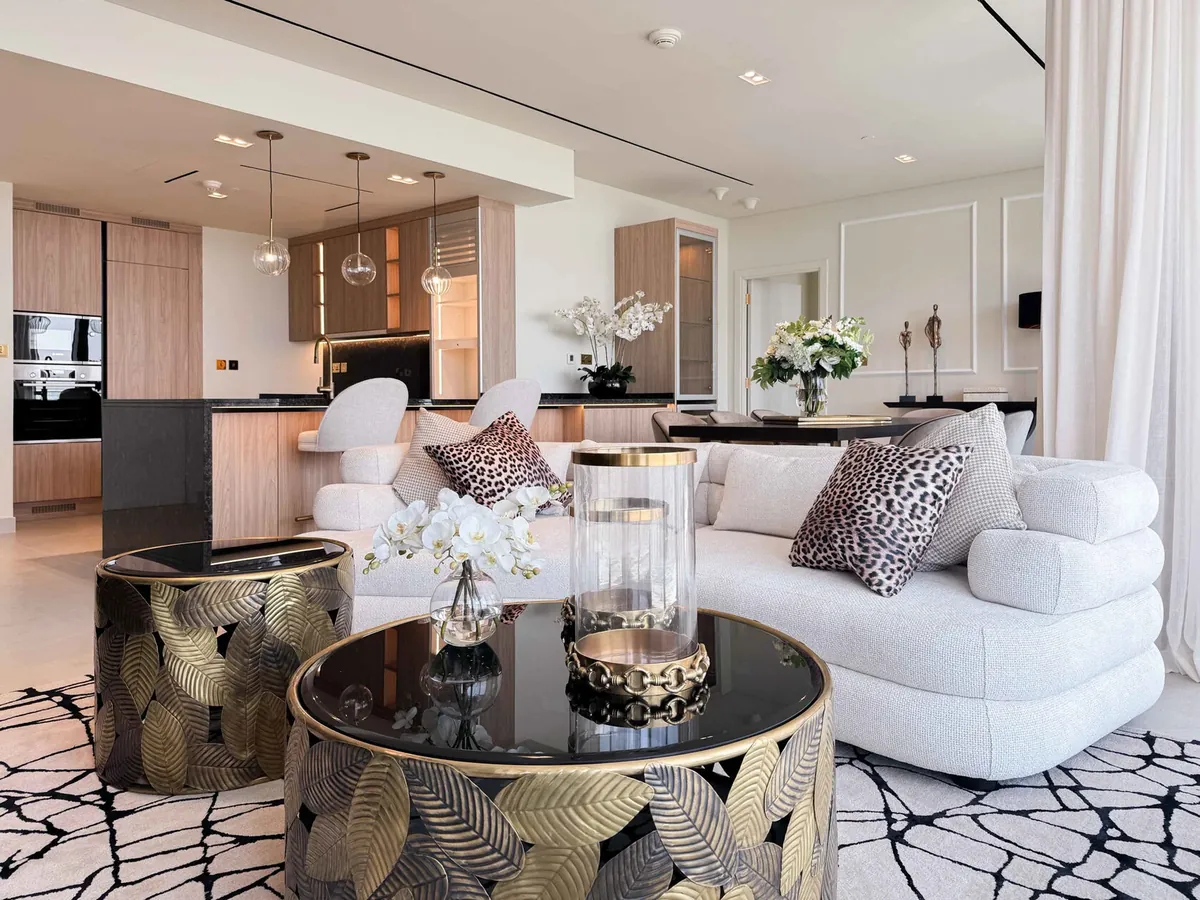
Accent and decorative light creates atmosphere. Wall washers, shelf lighting, pendants, table lamps and picture lights belong here. This layer gives a room depth in the evening.
A room that works usually uses at least two layers, and living spaces generally need all three.
Colour temperature and quality
Colour temperature is measured in kelvin. Warm white, around 2700 to 3000K, suits living rooms and bedrooms. Neutral white, around 3500 to 4000K, suits kitchens, workspaces and bathrooms where accuracy matters. Mixing very different temperatures in one space looks accidental.
Check the colour rendering of fittings too. Cheap LEDs can make skin tones and timber look grey. Specify a high colour rendering index and test one fitting in the room before ordering all of them.
Dimming and control
Dimmable circuits let one room serve several uses: bright for cleaning, soft for dinner, dim for a film. Ensure drivers and dimmers are compatible; mismatches cause flicker or buzzing. A simple scene-based control, even a handful of preset buttons by the door, is usually more used than a complicated smart home system.
Using Dubai's daylight
Many Dubai apartments have large glazed walls with strong sunlight for much of the day. Good window treatment, such as sheer curtains with a blackout layer behind, controls glare and heat while keeping the room bright. In the evening, those same windows turn into dark mirrors, so lighting should be planned for the evening view, not just the daytime one.
What to decide before first fix
- Positions of every switch, dimmer and socket, marked on the floor plan and walked through on site.
- Where pendants hang, so ceiling boxes sit at the right points over tables and islands.
- Curtain tracks and pelmets, so concealed lighting and tracks do not clash.
- Bedside switches for both sides of the bed.
- Feature lighting for artwork, niches and joinery, which is related to the points in custom joinery versus ready-made.
Lighting and ceilings
Light fittings share the ceiling with air-conditioning ducts, diffusers and sprinklers. If those are not coordinated on a single drawing, downlights end up awkwardly beside grilles. The same coordination issue is examined in ceiling and AC planning.
A note on resale and rental
Well-lit, warm interiors photograph better and viewings feel more welcoming. For owners preparing to sell or let, lighting is one of the most cost-effective upgrades; see what pays back when renovating for resale.